MARS

Mars is the fourth planet from the Sun and the second-smallest planetin the Solar System after Mercury. In English, Mars carries a name of the Roman god of war and is often referred to as the ‘Red Planet’. The latter refers to the effect of the iron oxide prevalent on Mars’ surface, which gives it a reddish appearance distinctive among the astronomical bodies visible to the naked eye. Mars is a terrestrial planet with a thin atmosphere, having surface features reminiscent both of the impact craters of the Moon and the valleys, deserts, and polar ice caps of Earth. 

Source : nasa
Continue reading “MARS”

SATURN

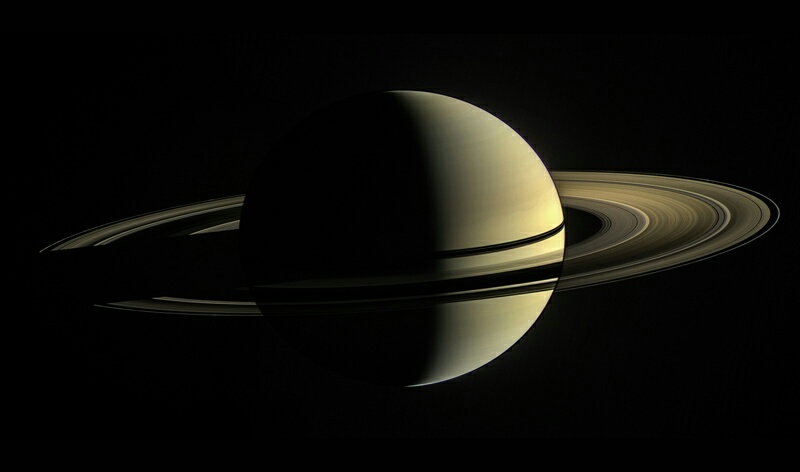
Saturn is the sixth planet from the Sun and the second-largest in the Solar System, after Jupiter. It is a gas giant with an average radius of about nine times that of Earth. It only has one-eighth the average density of Earth; however, with its larger volume, Saturn is over 95 times more massive.

NASA/JPL-Caltech/Space Science Institute
Continue reading “SATURN”

JUPITER

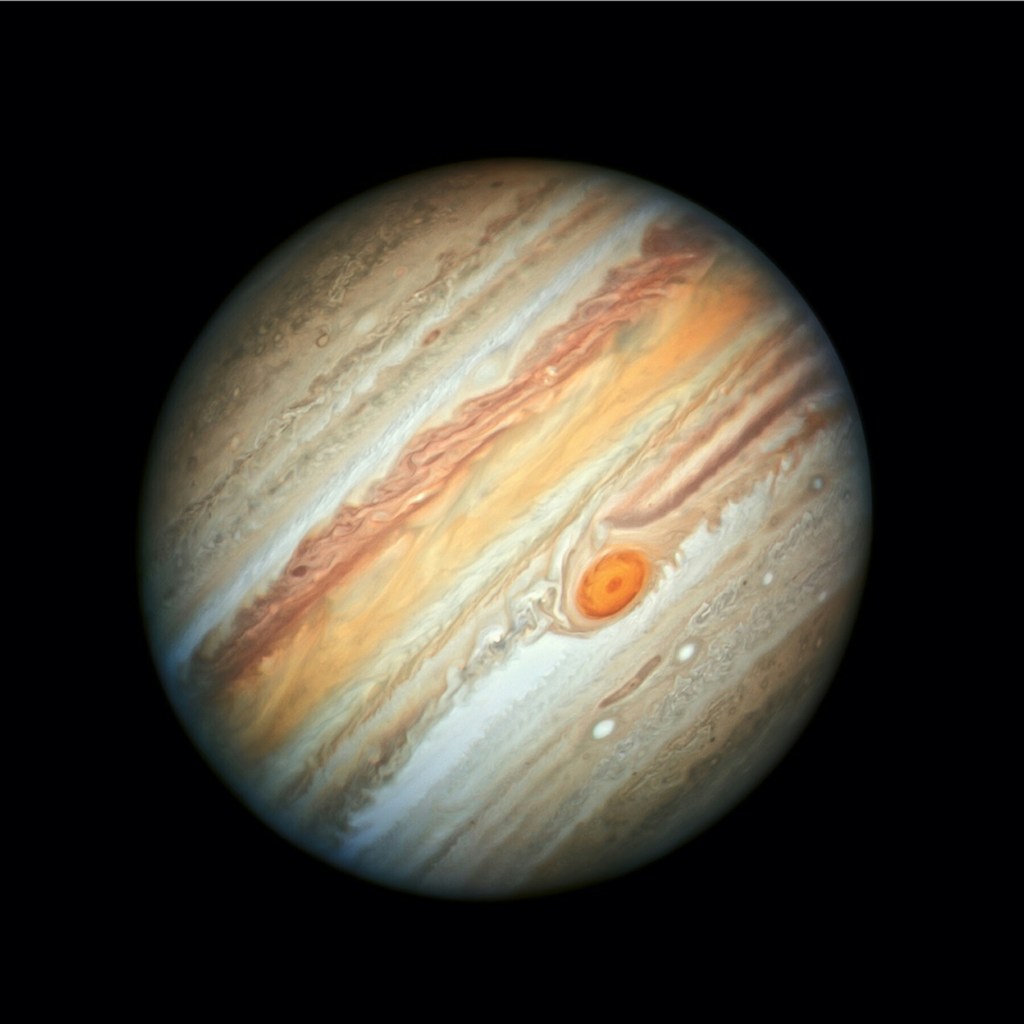
Jupiter is the fifth planet from the Sun and the largest in the Solar System. It is a gas giant with a mass one-thousandth that of the Sun, but two-and-a-half times that of all the other planets in the Solar System combined. It is named after the Roman god Jupiter.

NASA, ESA, A. Simon (Goddard Space Flight Center), and M.H. Wong (University of California, Berkeley)
Continue reading “JUPITER”